Hauling fees
You pay to dump good food
Disposal costs money. Donation removes weight from the bin and the bill.
For food businesses
Most operators pay to throw good food away — twice. Once in hauling fees, and once in deduction value left in the dumpster. There is a documented way to stop.
NEEDS Foundation | Oklahoma-based 501(c)(3) | EIN 80-0743170
The window is short
USDA estimates 30–40% of the U.S. food supply goes unsold or uneaten. Prepared food, bakery, deli, and short-dated surplus can still feed families — but only if pickup, receiving capacity, and documentation are ready before the window closes. That is the job NEEDS was built for: pickup, same-day delivery, and your donation receipt, handled at no cost to you.
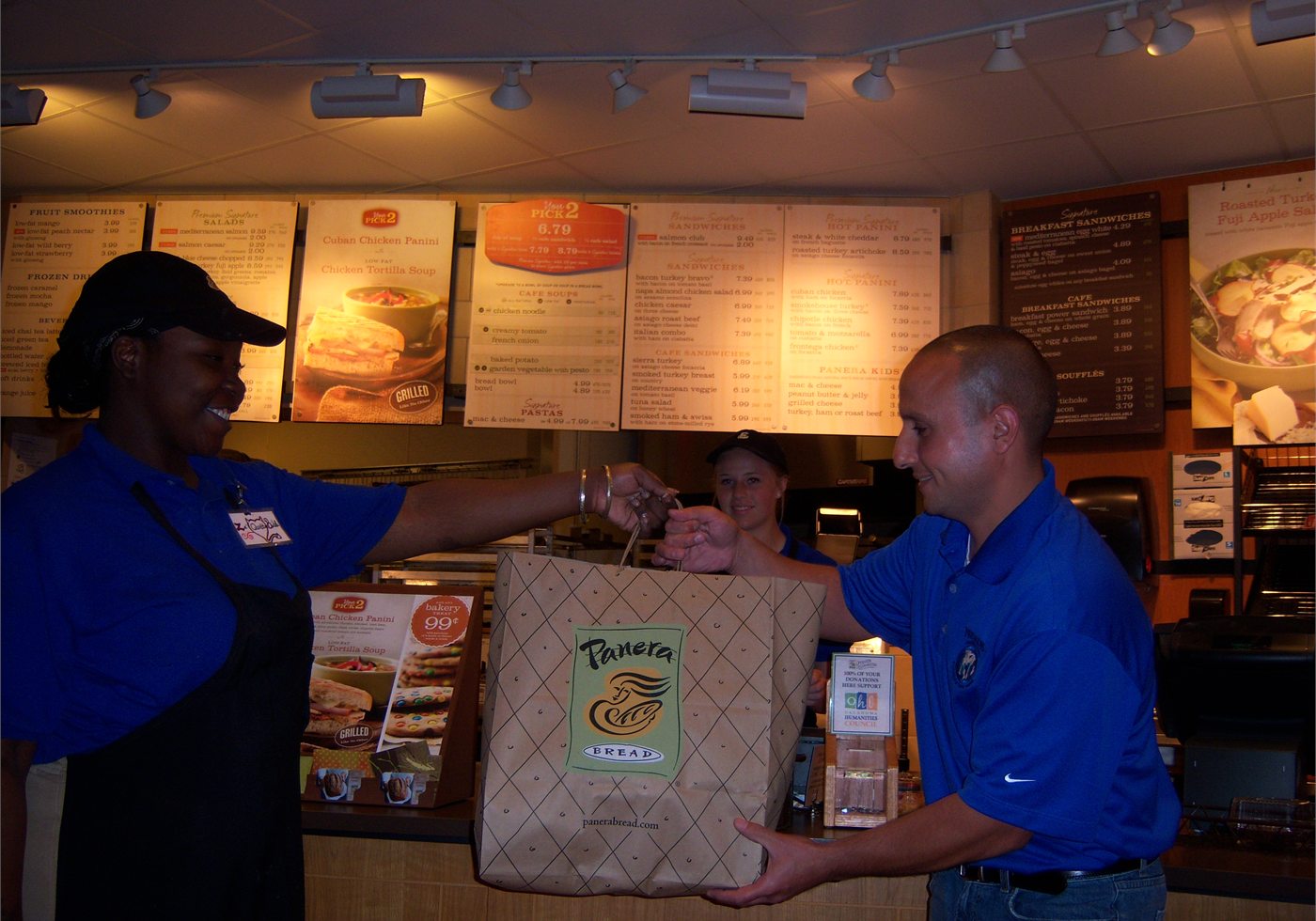
Hauling fees
Disposal costs money. Donation removes weight from the bin and the bill.
Deduction value
Qualified food-inventory donations may be eligible for enhanced deductions your CPA can review — but only if the donation is documented.
Community value
The same food that costs you money to discard can reach pantries, shelters, schools, and VA hospitals the same day.
The same short window that decides your disposal bill helps decide whether some of Oklahoma's roughly 224,000 food-insecure kids — about 1 in 4 — eat well tonight. Source: Feeding America, Map the Meal Gap 2025.
Proof, not promises
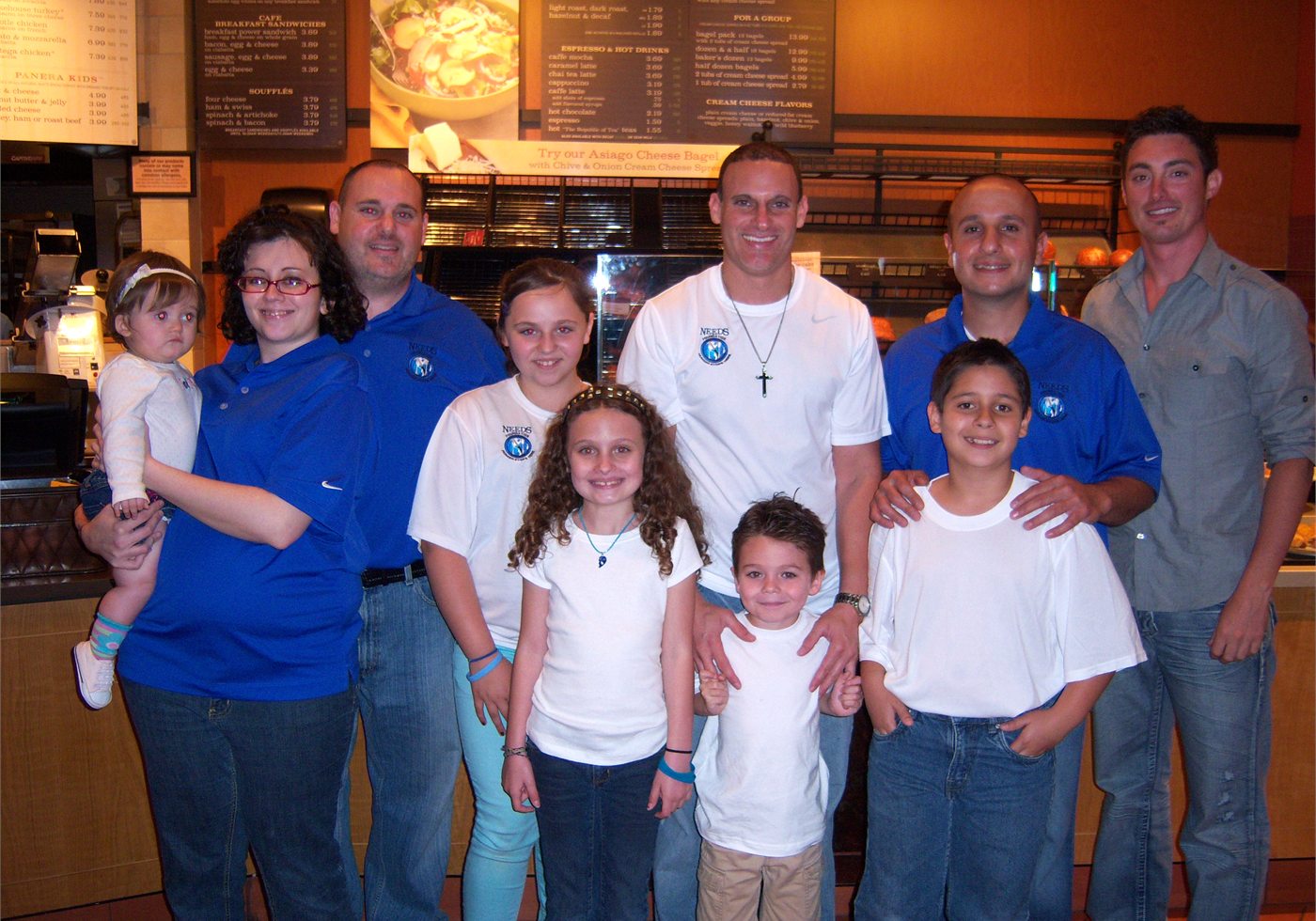
NEEDS Foundation has moved safe surplus from grocers, bakeries, and restaurants to community partners since 2014 — pantries, shelters, schools, churches, group homes, and VA hospitals across the metro. In 2013, our founders stood with Governor Mary Fallin at the signing of Oklahoma's Josephine Meade Anti-Hunger Act (House Bill 1418), the state's proof point in a national policy framework anchored by the federal Bill Emerson Good Samaritan Food Donation Act.
501(c)(3)
EIN 80-0743170
Operating since 2014
Same-day distribution
Documented transfers
Benefit 01 · Tax context
Qualified food-inventory donations may be eligible for an enhanced deduction — generally the lesser of the food's basis plus half its appreciation, or two times basis. The point is not to promise a tax outcome. The point is to make eligible surplus visible enough for your finance team and CPA to review. The provision — IRC § 170(e)(3) — has been in the code since 1976. This is settled law, not a loophole.
Worked example at the defaults shown.
Educational example only. The enhanced deduction is not a cash rebate. Actual eligibility and amounts depend on IRS rules, documentation, food condition, recipient use, income limits, business structure, and your tax advisor's review.
Benefit 02 · Risk context
For years, fear of liability kept good food out of the hands of people who needed it. The law now points the other way.
This is not legal advice and does not create a blanket indemnity. Review questions with your own counsel. NEEDS is insured, with additional-insured endorsements available on request; pickups are temperature-logged, with a recall escalation protocol.
The route
01
identify recurring surplus and your constraints.
02
handling, temperature, timing, documentation.
03
match the food to realistic receiving windows.
04
same-day movement through approved community partners — never resold.
05
chain-of-custody records that support accountability.
Title and handling responsibility transfer to NEEDS the moment food leaves your door or dock — and the documentation trail comes back to you.
Strongest fit: perishable, prepared, refrigerated, short-dated, bakery, deli, and commissary surplus from grocers, restaurants, bakeries, caterers, venues, and food halls — plus manufacturers and distributors with short-coded, returned, or overstocked product.
The pilot path
The first win is not maximum volume. It is one dependable donation path your staff, our drivers, and a receiving partner can trust.
01
a 15-minute surplus review.
02
categories, timing, storage, documentation.
03
one recurring pickup or transfer window.
04
transfer record and receiving notes.
05
scale, revise, or stop cleanly.
"Stop cleanly" is part of the deal: a defined day-90 review where we both look at the numbers and decide — continue, adjust, or stop clean. No lock-in.
For your team
a deduction conversation with math: basis, FMV, dates, and qualified-use records.
a cleaner good-faith nonprofit route and a clearer protection story.
a repeatable surplus lane instead of last-minute disposal decisions.
a local impact story on your terms — quiet support or public partnership, and nothing goes public without your written approval.
Next step
A focused 15-minute review is free, and either answer is useful to you. Bring your supply categories, cadence, handling rules, and timing windows.
405-245-5553
405-792-0125
partners@theneedsfoundation.org
One lane, one pickup window.
The bigger opportunity
Distributors and suppliers often hold overstock, short-coded, returned, or otherwise awkward surplus that is cheaper to dispose of than to move. NEEDS exists to redirect that food to local nonprofits through a qualified, documented route. If your own overage is limited, tell us who supplies your kitchen.
Choose the right handoff
Know a restaurant? Send the restaurant sheet. Know the company behind the restaurant’s food? Send the supplier sheet. Both explain the next useful conversation in plain language.
For restaurants
For restaurant owners, operators, and people who know them.
Forward restaurant PDFFor suppliers
For distributors, suppliers, manufacturers, commissaries, and cold-storage operators.
Forward supplier PDF