For years, fear of liability kept good food out of the hands of people who needed it. The practical question for a restaurant, bakery, grocer, or caterer was not only whether food was still fit for human consumption. It was also whether donating that food would create a legal risk the business could not accept.
In 1996, the federal Bill Emerson Good Samaritan Food Donation Act created national liability protection for covered good-faith donations of apparently wholesome food through nonprofit channels. The framework did not remove responsibility for safe handling, and it did not protect gross negligence or intentional misconduct. It did something narrower and more useful: it gave good-faith donors a protected route when safe food moved through charitable organizations.
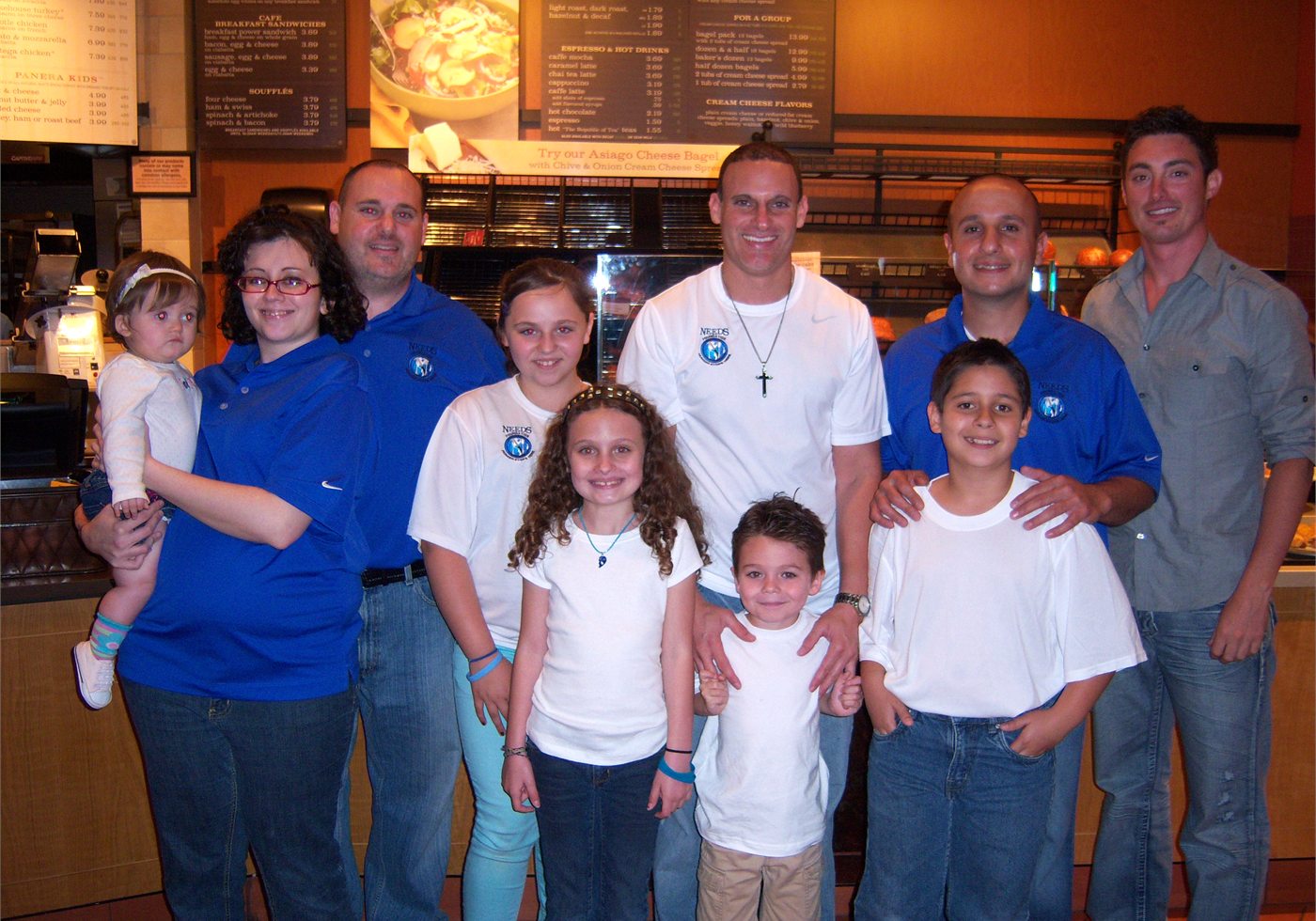
Oklahoma added its own proof point in 2013, when the state approved House Bill 1418 — the Josephine Meade Anti-Hunger Act. NEEDS Foundation founders stood with Governor Mary Fallin at the signing. Oklahoma law protects good-faith donations of food fit for human consumption to charitable organizations, reinforcing the same basic idea: safe food should not be trapped in a dumpster because a donor is afraid to act responsibly.
That idea has kept moving. In 2023, the federal Food Donation Improvement Act extended the Emerson framework. Other states have built related protections and pathways, too. Texas passed the Student Fairness in Feeding Act in 2017. California passed school food donation law in 2017 and has its own Good Samaritan protections. The shared idea is consistent across those examples: protect good-faith donors while keeping safe handling, documentation, and accountability in place.
Policy permission still has to become operational practice. A law does not check temperature, match a pickup window, confirm receiving capacity, or create a transfer record. NEEDS turns that permission into a working food-rescue lane: pickup, partner matching, handling discipline, and documentation that shows what moved, where it went, and why it was accepted.
For a food business today, the lesson is straightforward. Donating through a nonprofit route with documentation is the protected path. It gives good food a practical way out of the back room, keeps accountability attached to the handoff, and makes responsible donation easier to say yes to.