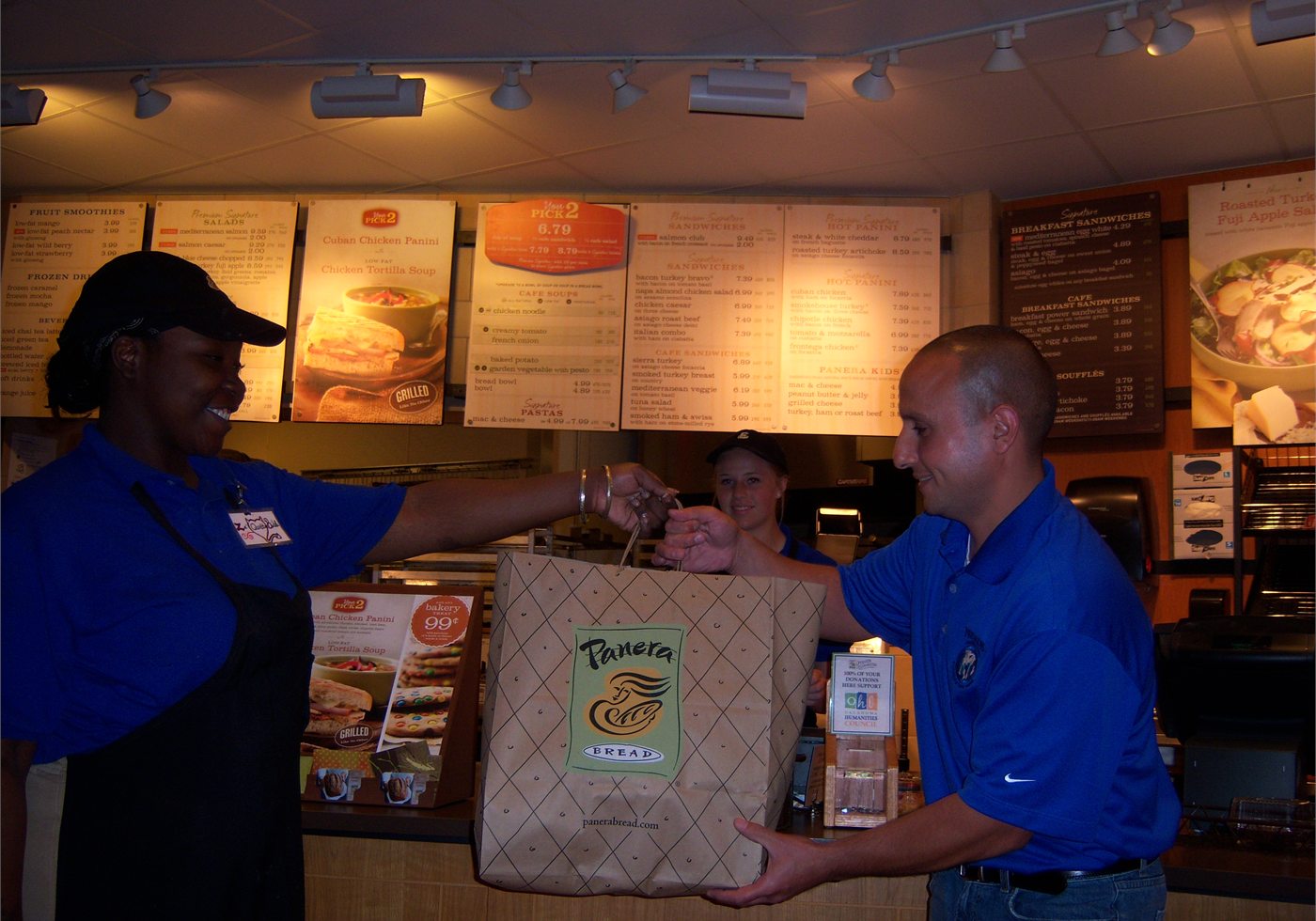
Restaurants and food retailers already pay to haul away surplus. When safe food goes into the bin, the business is not only losing the food. It is often paying for the weight, the pickup, and the operational friction of disposal. Donation can remove weight from the bin and the bill when a documented route is ready before the food's useful window closes.
The tax context is another reason surplus is becoming a business decision instead of only a shrinkage line. Qualified food-inventory donations may be eligible for enhanced deductions, generally the lesser of basis plus half the appreciation, or two times basis. That formula is not a promise of value and it is not a cash rebate. Eligibility and amount depend on IRS rules, documentation, food condition, recipient use, income limits, business structure, and tax-advisor review.
The practical point is visibility. Food that is thrown away without documentation is hard for a finance team or CPA to review. Food that moves through a documented nonprofit donation route can carry the information a review needs: basis, fair market value support, dates, receiving organization, qualified use, and a transfer record.
Liability fear has historically stopped many food donations before they started. The federal Bill Emerson Good Samaritan Food Donation Act and Oklahoma's good-faith protections address that fear by protecting covered good-faith donations through nonprofit channels, with exceptions for gross negligence or intentional misconduct. Those protections do not make unsafe food acceptable. They make responsible donation easier to consider.
What makes the idea work operationally is a documented route. The food has to pass a fit check. The pickup window has to be realistic. A receiving partner has to have capacity. The handoff has to create a transfer record. Without those pieces, donation becomes another last-minute decision for a busy team. With those pieces, it becomes a repeatable lane.
NEEDS handles pickup, same-day delivery, and the donation receipt at no cost, and starts every provider with a small pilot: one food stream, one pickup window, and a clean exit if it does not work. The right next step is not a maximum-volume promise. It is a focused pilot that proves whether one surplus lane can work for your team.