A representative account of NEEDS route operations, written to show how a typical morning works. As we publish stories from specific partners, they will appear here with names attached.
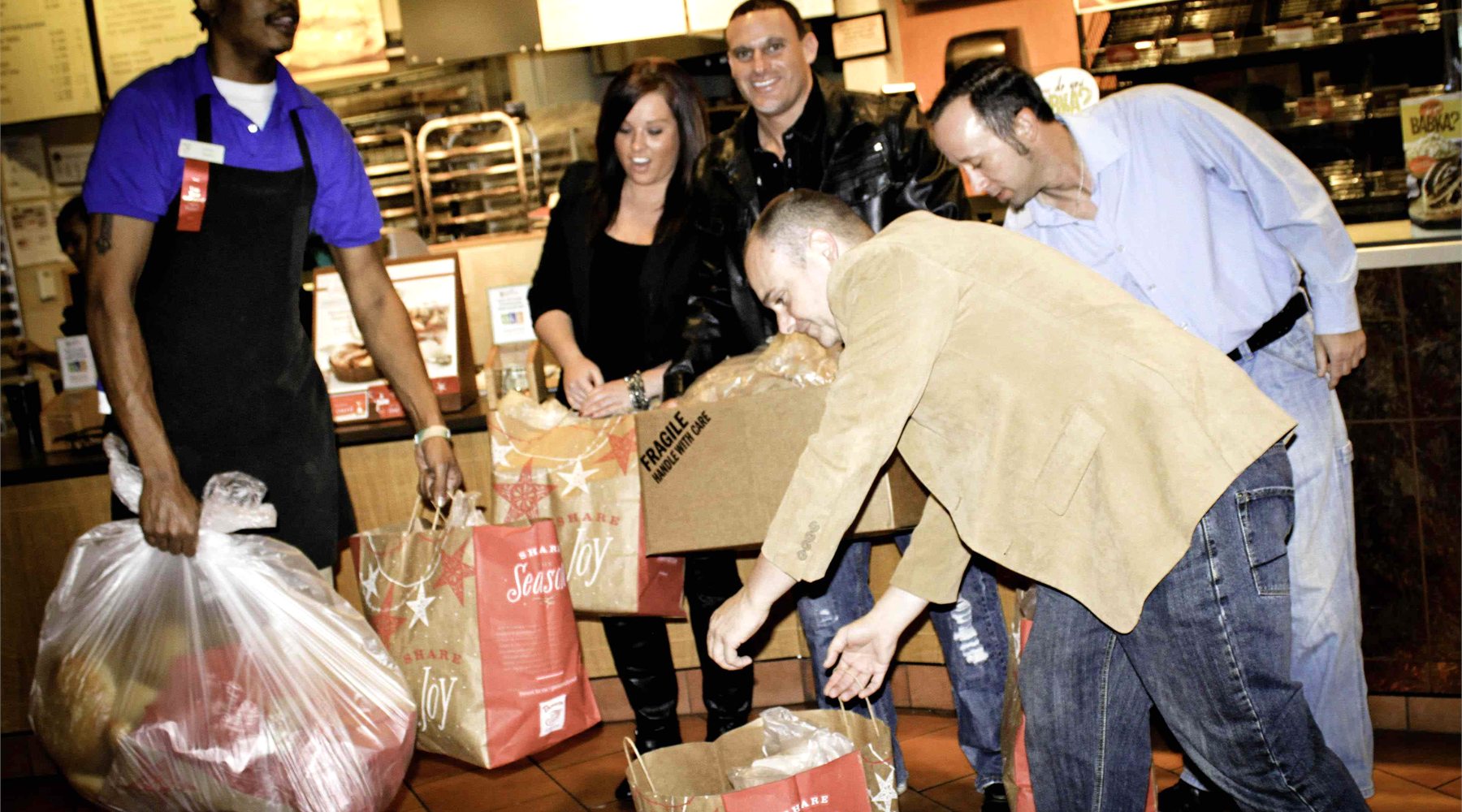
The morning starts before the food moves. A coordinator checks the day's pickup windows, confirms which food streams are expected, and looks at receiving capacity. Short-window food does not wait politely. If a bakery, grocer, or kitchen has safe surplus ready near opening, the route has to be ready before the clock starts working against it.
At the provider's back door, the driver is looking for fit. The question is not whether the food is generous or useful in theory. The question is whether it is safe, packaged, in acceptable condition, and realistic for same-day movement. Temperature, packaging, condition, and timing all matter. Food that cannot be handled responsibly does not become a donation just because people are hungry.
When the fit check clears, loading is practical and quick. Bakery trays, packaged prepared food, refrigerated items, and other short-window surplus each bring their own handling needs. The driver is thinking about the next stop, the receiving window, and the route order that keeps food usable. A pantry may be able to receive one category early. A shelter kitchen may be able to use another by lunch. The route only works when the food matches the partner's real capacity.
That clock pressure is the difference between food rescue and storage. The goal is not to collect food and figure it out later. The goal is same-day delivery to a receiving partner that is ready for it: a pantry with intake capacity, a shelter kitchen with a plan, or another community partner able to distribute or prepare the food while it is still useful.
At handoff, the transfer record matters. It supports the donor receipt, gives the receiving partner accountability, and shows that the food moved through a documented nonprofit route. The record is not paperwork for its own sake. It is what lets a food business, a coordinator, a driver, and a kitchen manager all trust the same process enough to repeat it.
The payoff is quiet. Food that could have been a disposal cost at 7am can become lunch by noon. No spotlight is required for that to matter. The lane works because each role does its part before the window closes.